
A Drama That Brings Home the Horrors of Knife Crime
As the Drama goes on it explores and Brings out the issues of teenage subcultures
Finally What did I think of Adolescence?
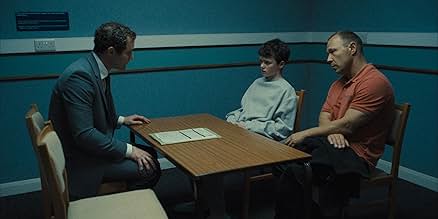
The drama gripped me from beginning to end. It was raw, and often overwhelmingly emotional. Was any of this overdone for the sake of sensation? As you watch, you realise it wasn’t — every choice the director made served a purpose.
The basic premise is that a 13-year-old boy commits murder, stabbing one of his classmates. As with many streaming dramas, this is revealed fairly early on; the rest of the series explores how everyone around him is affected.
By the end, you feel like you’ve been on an emotional rollercoaster — but most viewers agree the rawness was there for a reason. It shows that everybody is affected by an incident like this, which is really what parents can learn from Adolescence on Netflix: there are real human beings involved. Behind every newspaper headline about a stabbing is a family, a community, a life changed forever.
Knife crime is a horrific crime. The victim, the perpetrator, their relatives, and the mental health of everyone around them all suffer. That point was made powerfully, and it really hit home for me.
What can we learn from the drama?
As a 52-year-old, I don’t fully understand the modern internet. There’s a whole world of culture, subcultures, and communities out there — especially among the younger generation. Influencers, Snapchatters, and Instagrammers all speak in codes that are largely beyond me.
Though the internet is a land of huge opportunity, it also has dark corners that older generations need to be aware of.
For example, Andrew Tate isn’t just a name in the tabloids or a subject half-informed authority figures read about in the Guardian and the Telegraph — authorities need to properly understand who these people are and the influence they have. That’s one of the central themes running through the series.
Jamie, the boy at the centre of the story, is hardened by everything that happens to him over the course of the series. Even so, there’s a note of hope by the end.
SPOILER ALERT:
After the third episode, he’s recommended for mental health treatment. When he rings his dad on his birthday, he tells him he’s going to plead guilty to the stabbing. He also sounds noticeably more positive and less full of hate.
After talking it over with a friend of mine, she offered a different reading: that Jamie is calling to spoil his dad’s birthday, not to make peace with it. Watch it yourself and see which interpretation feels right to you.
SPOILER OVER
My only criticism is that they should have done an episode from the victim’s perspective — something the series’ author has apparently agreed with. Apart from that, though, it’s highly watchable, edge-of-your-seat television.
If you want to go further down this rabbit hole, Louis Theroux’s Netflix documentary Inside the Manosphere is worth a watch too. It digs into exactly the kind of online culture — influencers, “red-pill” ideology, and the figures around them — that so many boys are drawn into today, and it pairs well with the themes Adolescence raises.
Written by Joel, with editing and research support from Claude (Anthrop)


Leave a Reply