
Where to Stream: Netflix
Background: The Sexism Judit Polgár Had to Overcome
Before Judit Polgár emerged, many leading figures in chess openly claimed that women lacked the mental ability to compete with men at the highest level. Those views were common throughout much of the chess establishment and discouraged many talented female players from pursuing the game professionally.
Judit Polgár proved every one of those critics wrong.
Who Is Judit Polgár?
Judit Polgár and her sisters, Susan Polgár and Sofia Polgár, were homeschooled by their father, László Polgár. He believed that genius is developed through education, dedication and deliberate practice rather than being something people are simply born with.
His experiment became one of the most famous success stories in sporting history.
All three sisters became world-class chess players and helped Hungary win the Women’s Chess Olympiad. However, Judit reached an extraordinary level that no woman had achieved before.
At just 15 years old, she became the youngest Grandmaster in history, breaking Bobby Fischer’s long-standing record. She later became the only woman ever to break into the world’s top 10, reaching a career-high of World No. 8.
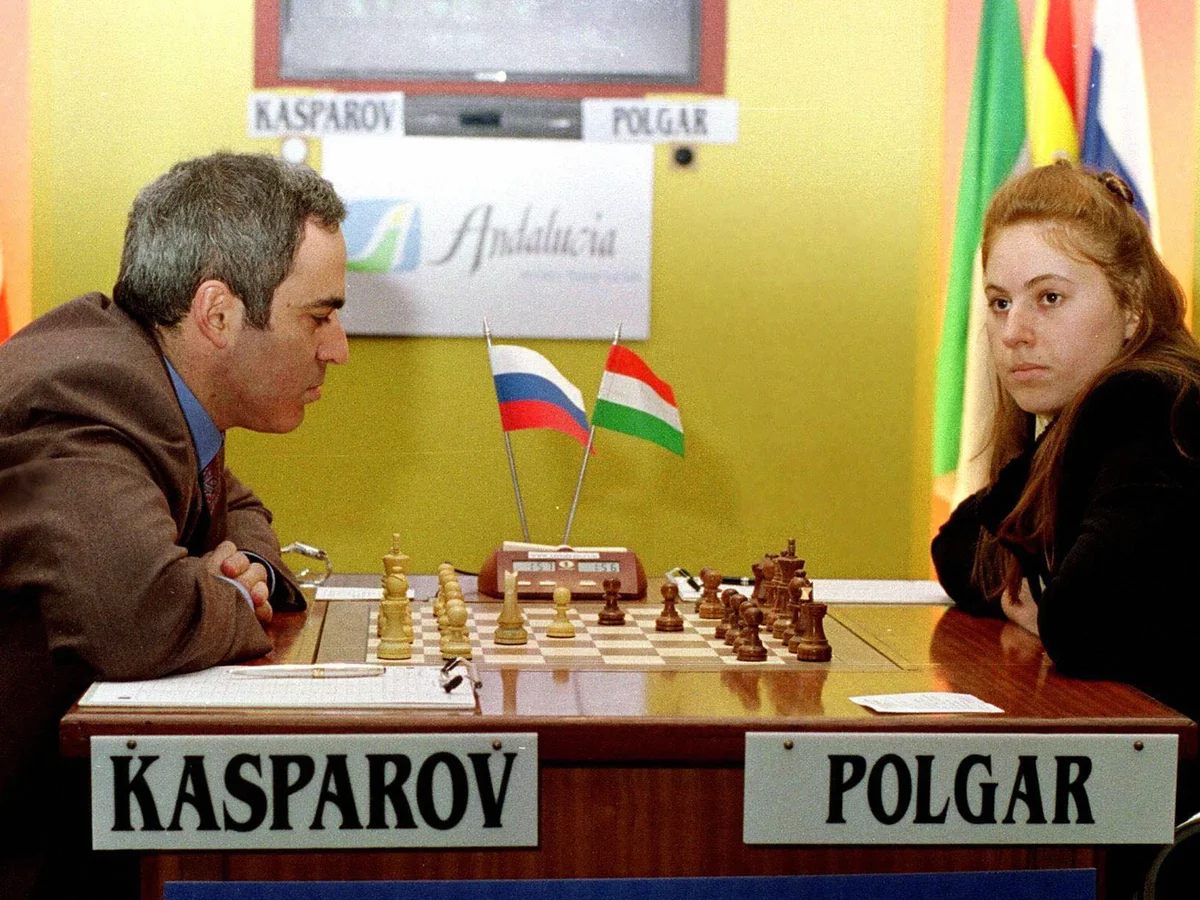
During her career, she defeated some of the greatest players ever to sit at a chessboard, including Garry Kasparov, Magnus Carlsen, Anatoly Karpov and Viswanathan Anand. Those victories proved she could compete with—and defeat—the very best players in the world.
Although she retired from competitive chess in 2014, Judit remains one of the most influential figures in the history of the game.
More importantly than any individual victory, she permanently changed attitudes towards women in elite chess. She wasn’t a novelty or a publicity story—she was a genuine title contender capable of winning the world’s biggest tournaments.
Is Queen of Chess Worth Watching?
Absolutely.
Queen of Chess is much more than a documentary about chess. It is an inspiring story about determination, family, perseverance and proving doubters wrong.
Watching Judit outplay many of the world’s strongest male players is genuinely captivating. The documentary also introduces the entire Polgár family, all of whom come across as intelligent, humble and immensely likeable. It doesn’t take long before you’re completely invested in their journey.
The film opens with archive footage of famous chess figures—including Bobby Fischer—making dismissive and openly sexist comments about women in chess. These interviews perfectly illustrate the barriers Judit faced and make her achievements feel even more remarkable.
The documentary is beautifully paced and never becomes overly technical, meaning you don’t need to understand chess to enjoy it. Anyone who enjoys stories about overcoming prejudice, breaking barriers and achieving the seemingly impossible will find plenty to admire.
One female chess player interviewed in the documentary says:
“If Judit can do it, then what is stopping me?”
That single sentence perhaps captures Judit Polgár’s greatest legacy.
She shattered one of sport’s most enduring glass ceilings and inspired generations of girls to believe they belonged at the very highest level of competitive chess.
Hopefully, as opportunities continue to grow, there will be many more Judit Polgárs in the future.
Final Verdict
Judit Polgár demonstrated that the world’s strongest chess players should be judged by their ability—not their gender.
By becoming the youngest Grandmaster in history, reaching World No. 8 and defeating legendary champions including Garry Kasparov and Magnus Carlsen, she earned her place among the greatest chess players of all time.
Queen of Chess tells that remarkable story with warmth, honesty and inspiration. Even if you’ve never played a game of chess, you’ll find yourself cheering for Judit and her family from beginning to end.
Note: All Chess players including the World Number 1 Magnus Carlsen, play in opens regularly and it is seen as the standard top league. Judit’s work is well and truly done, and women in chess are not novelties.
Rating: 9/10


Leave a Reply